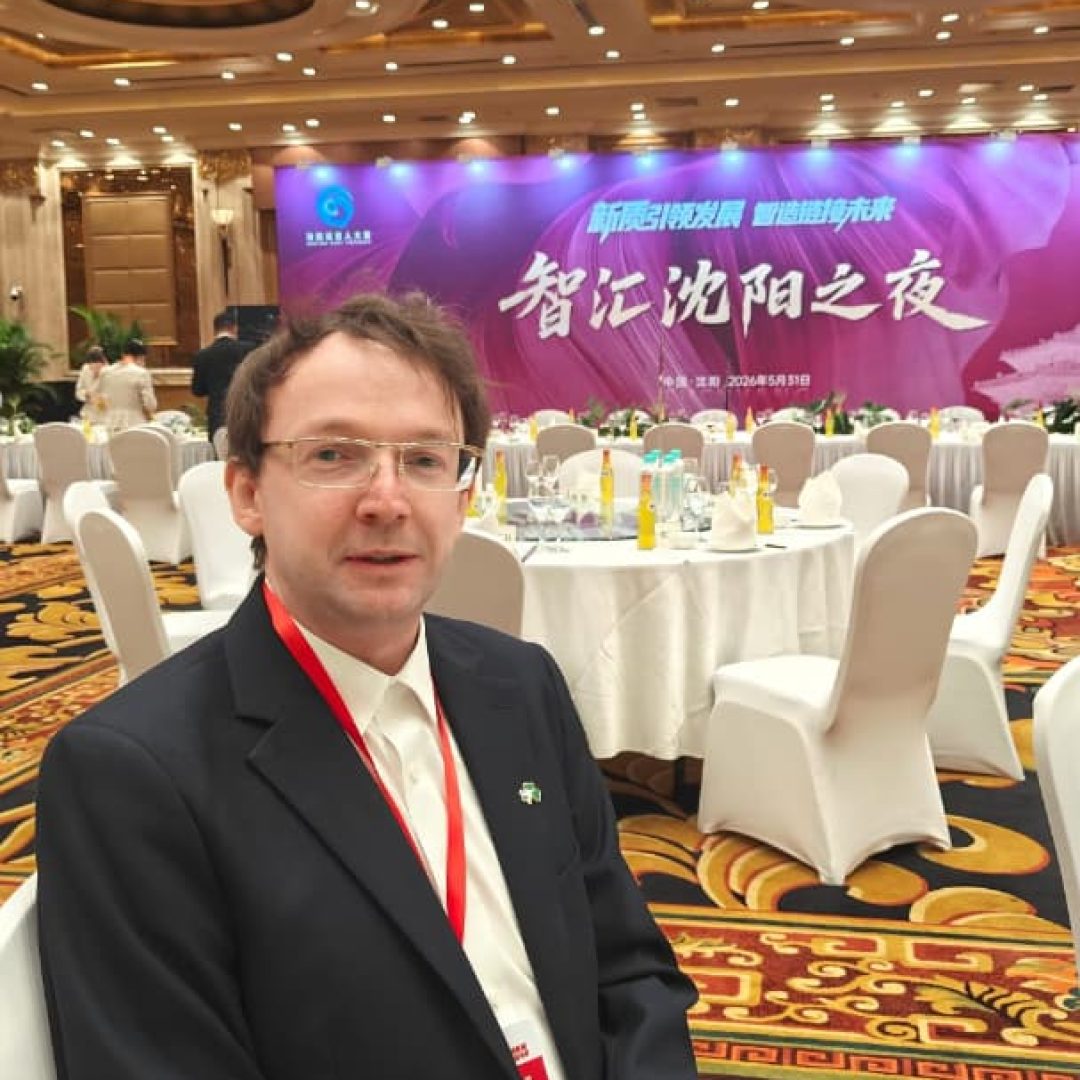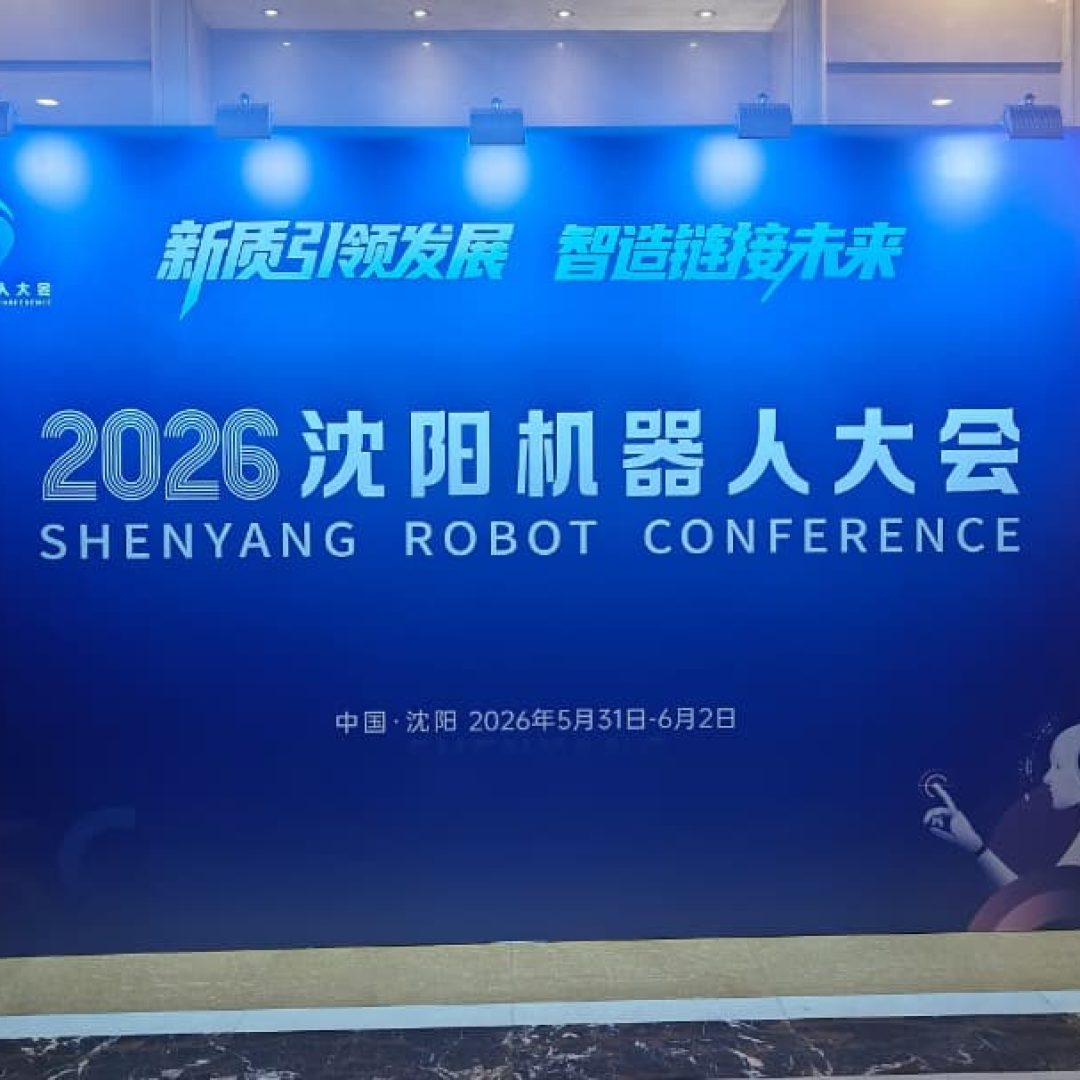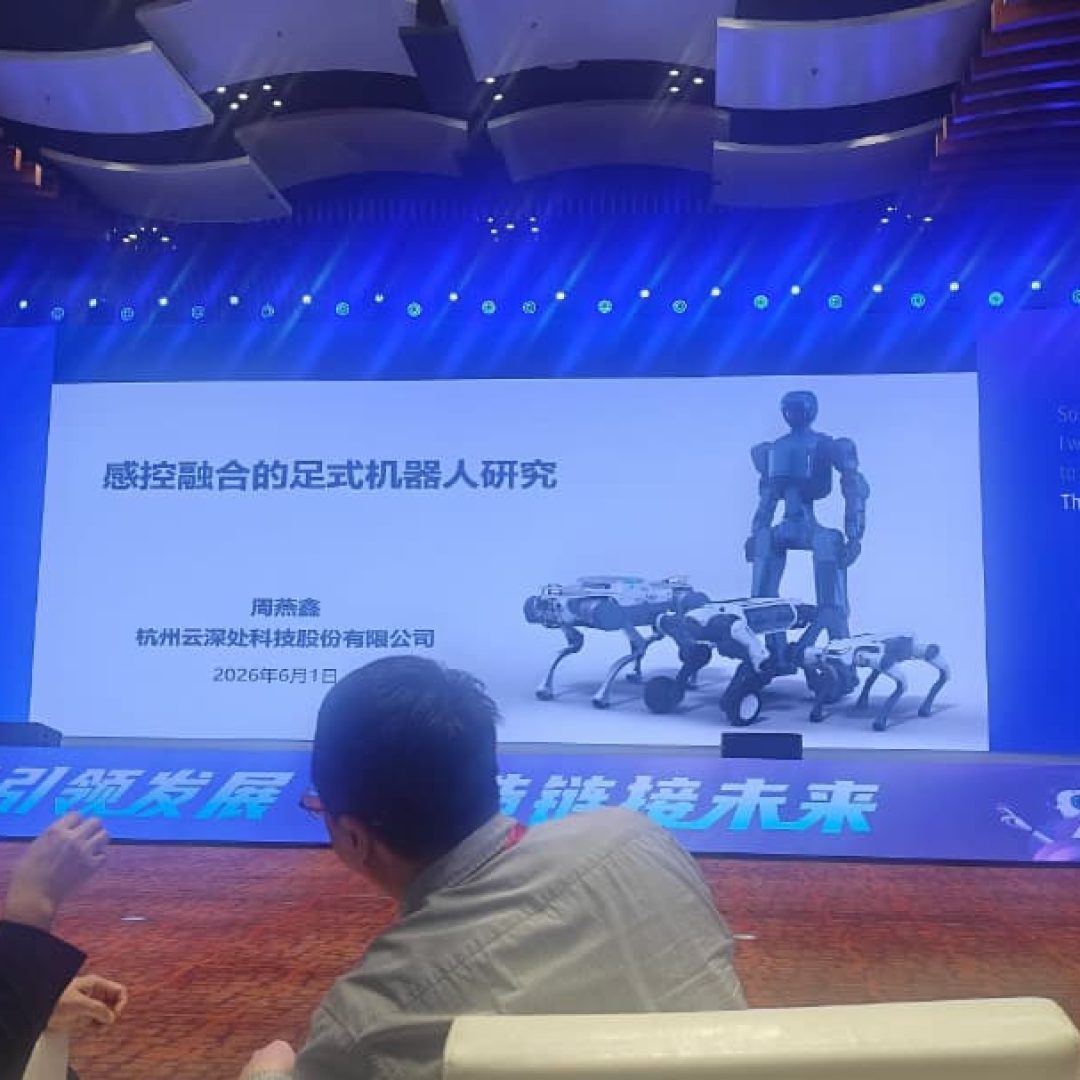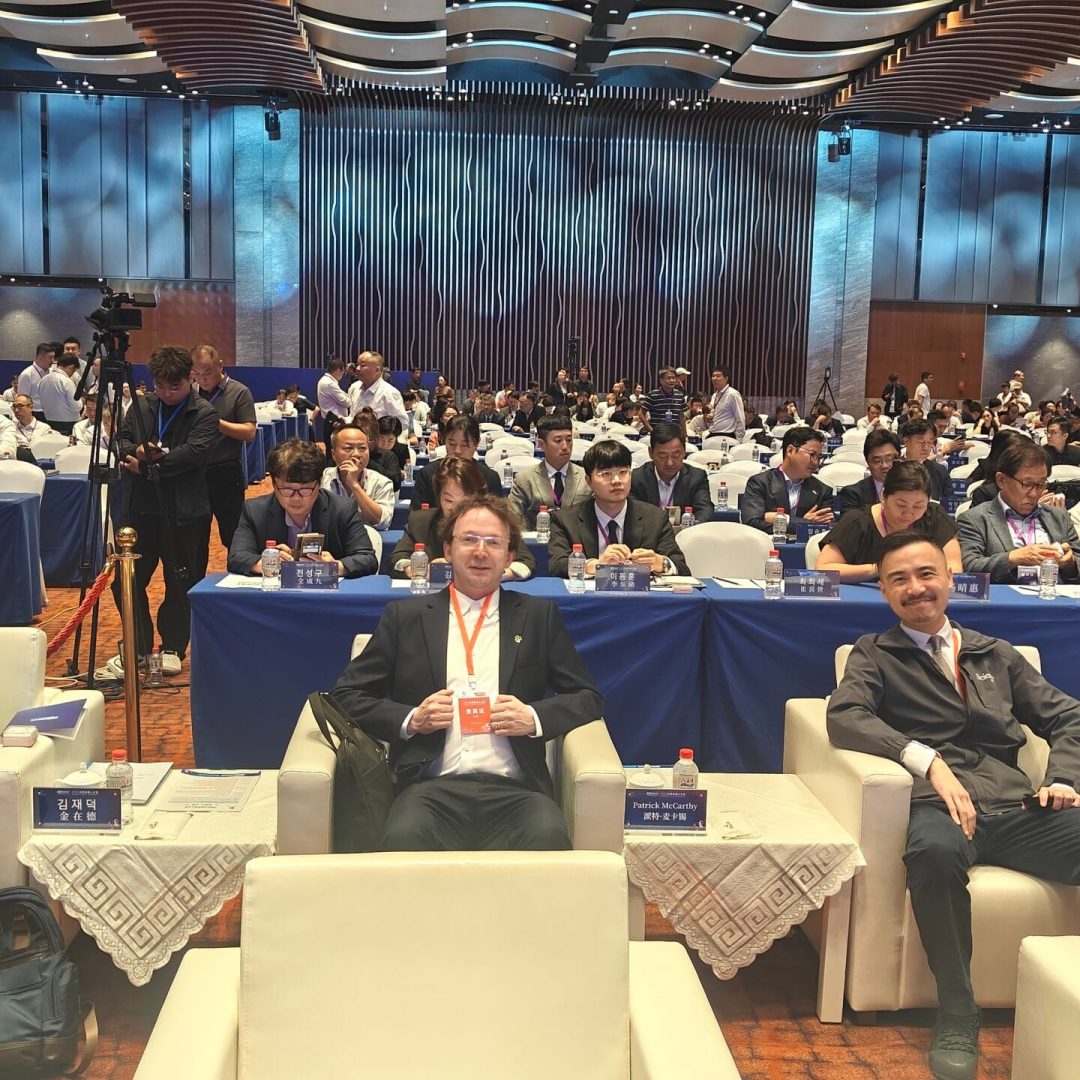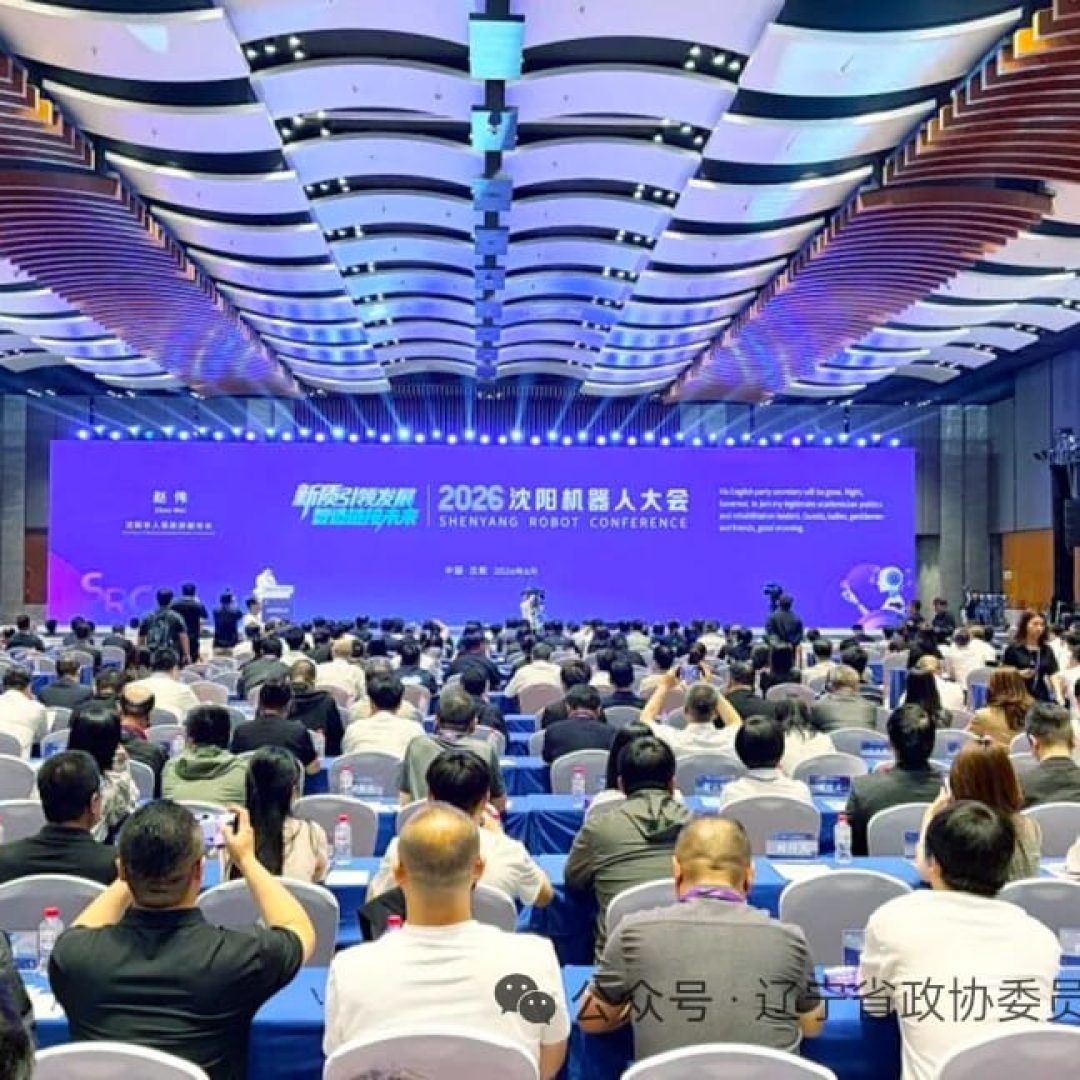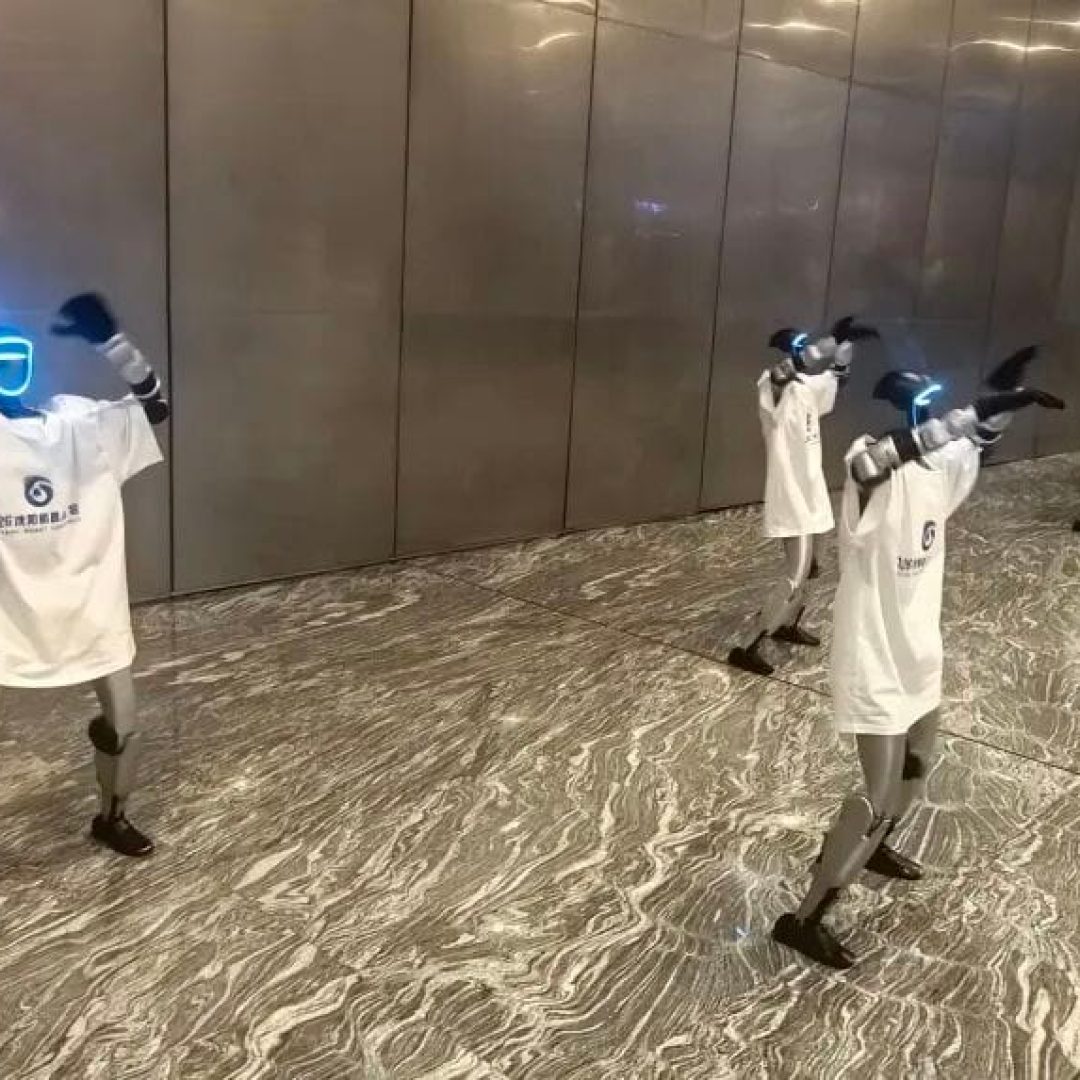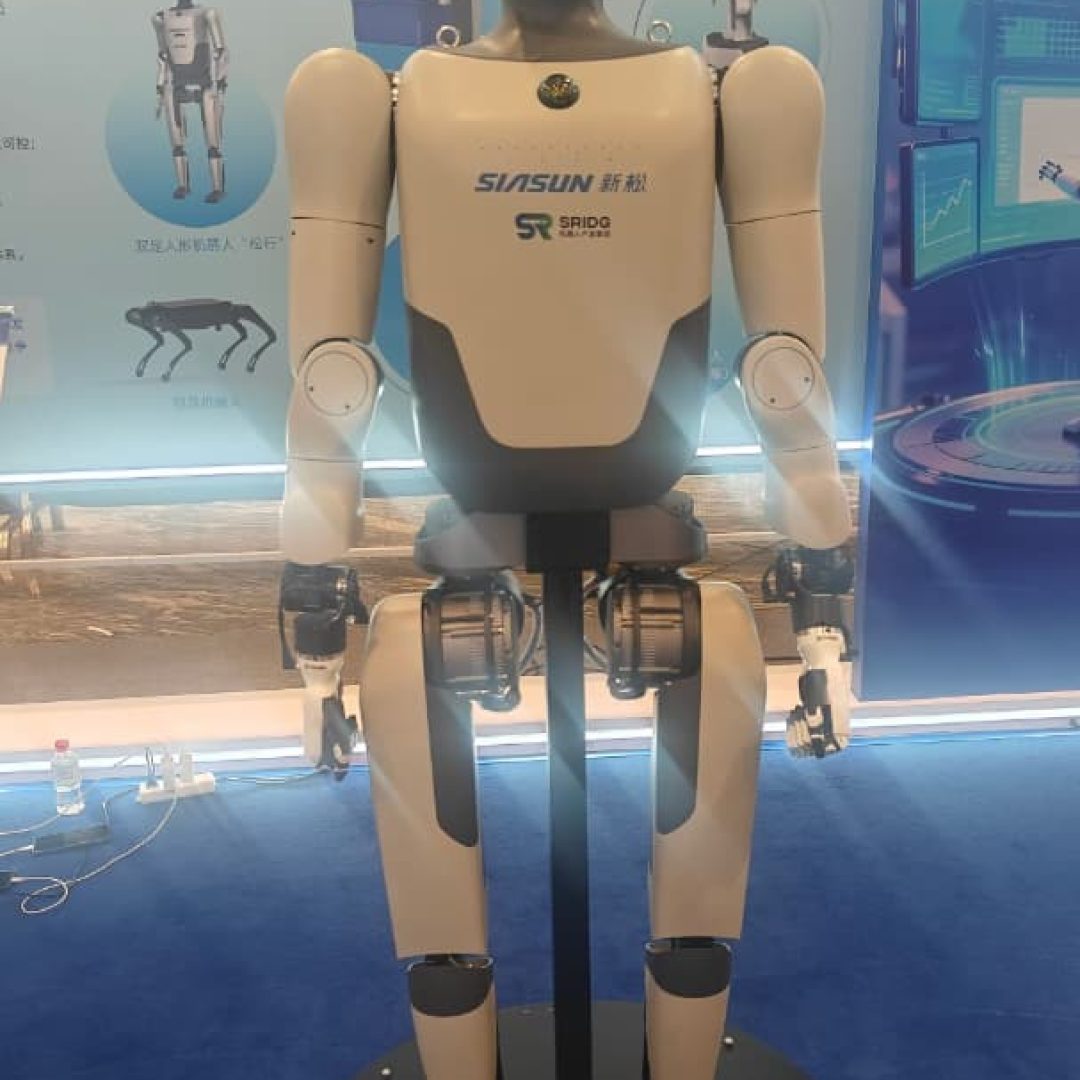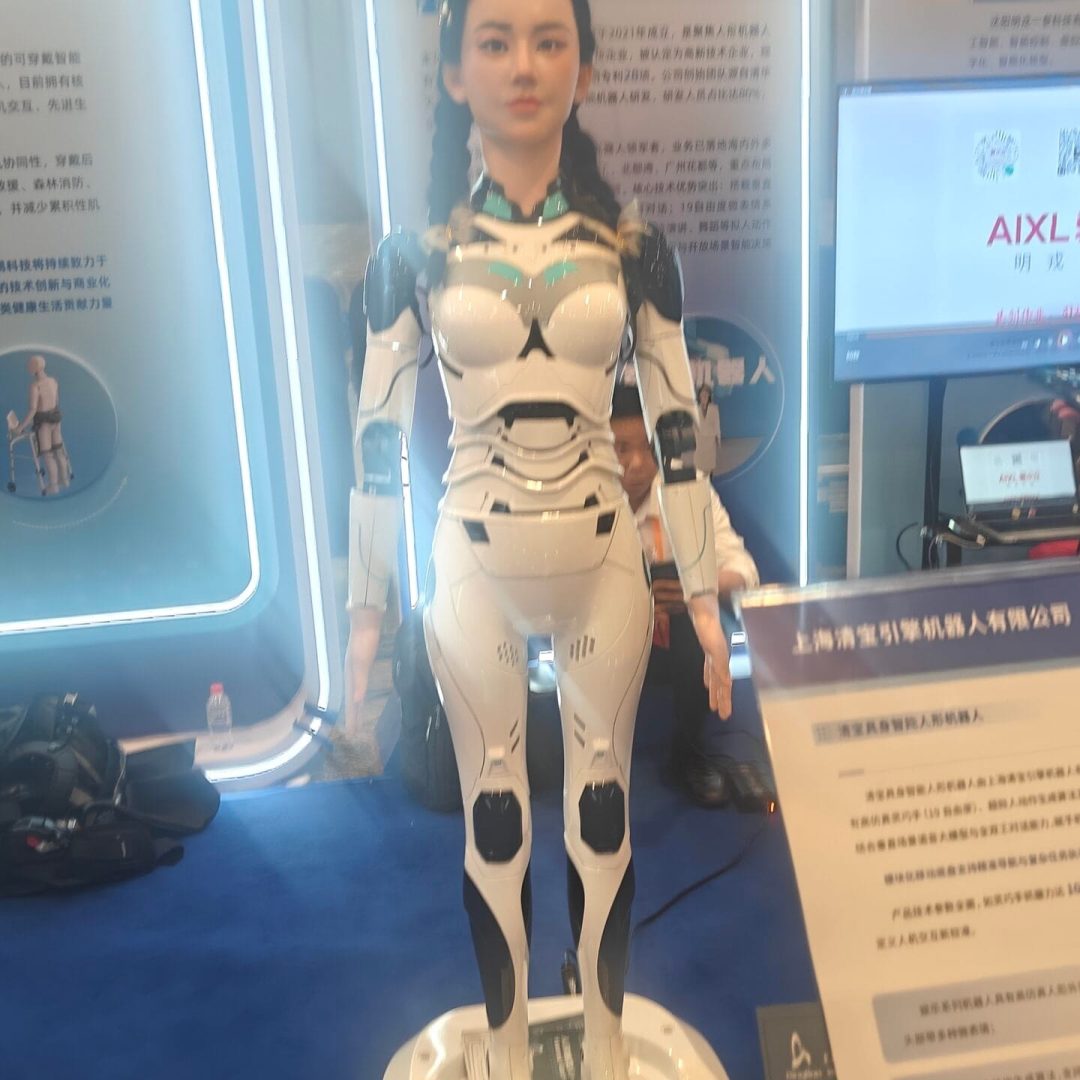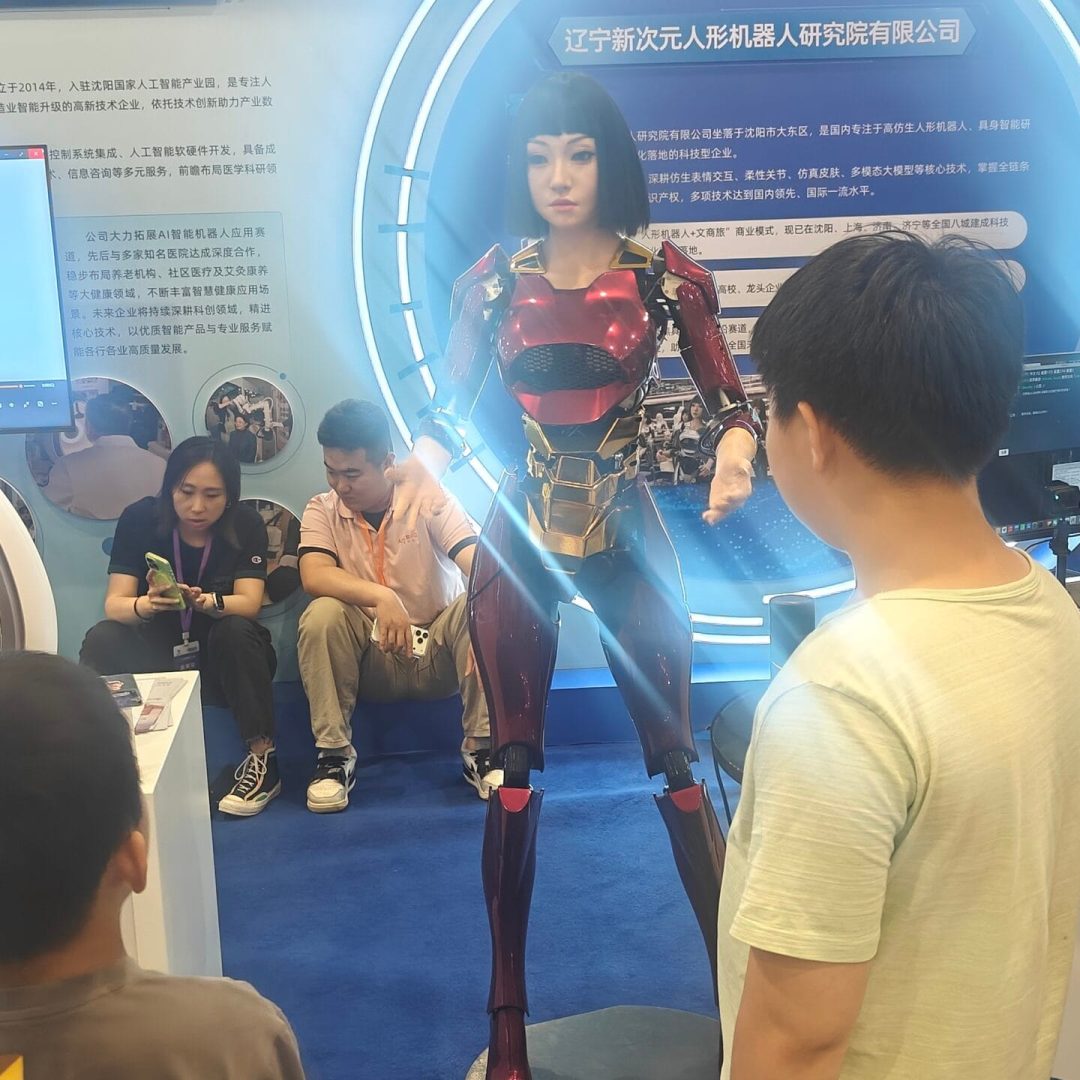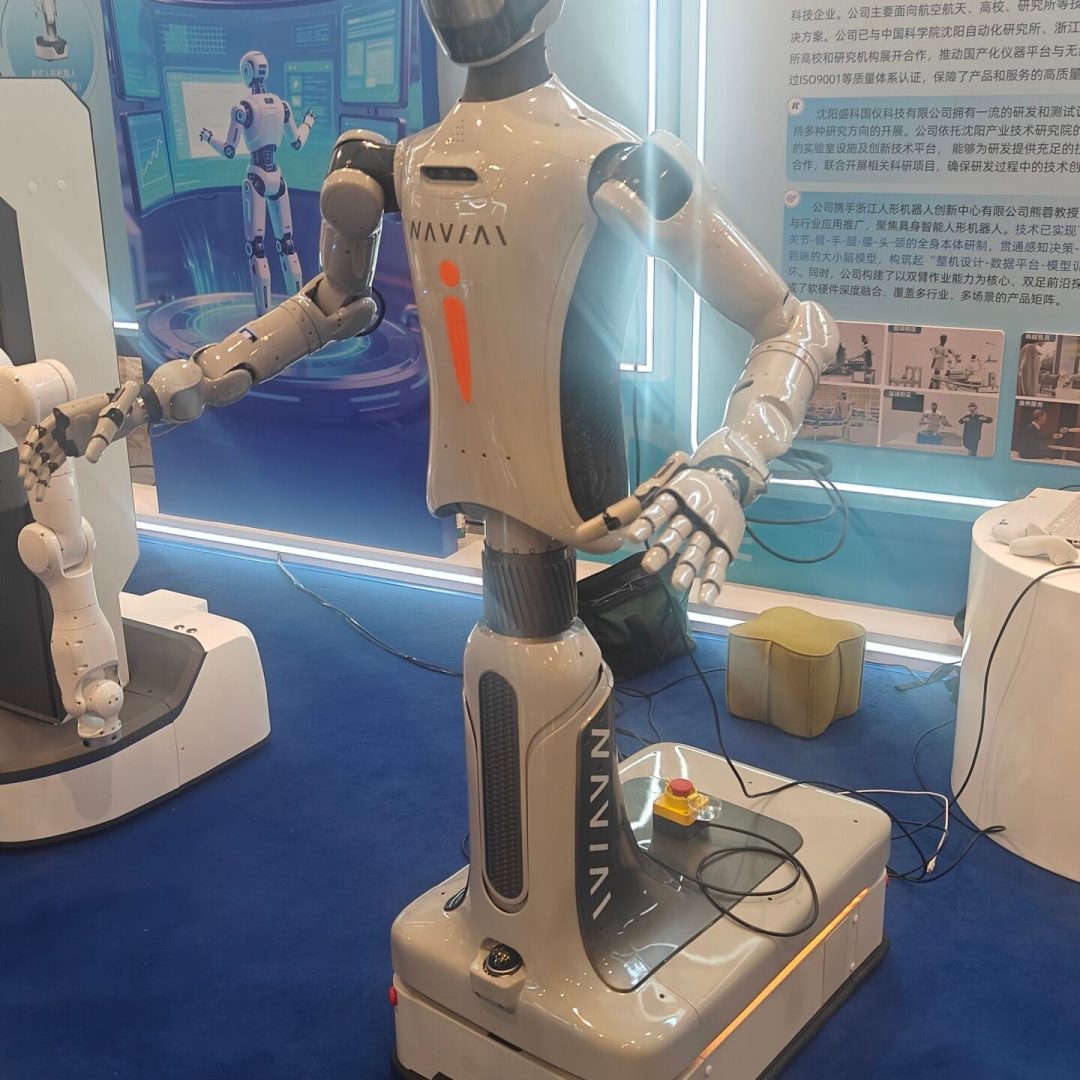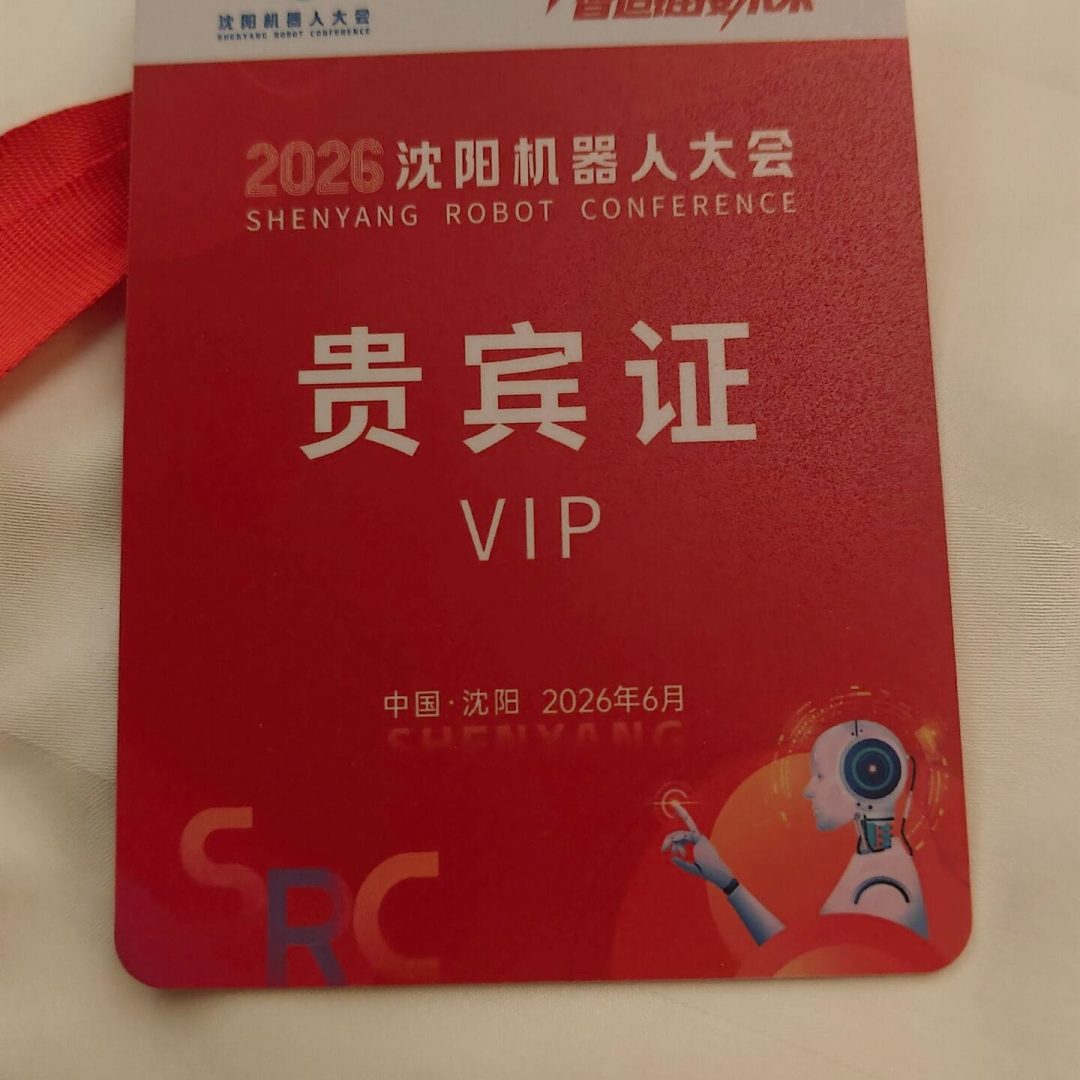
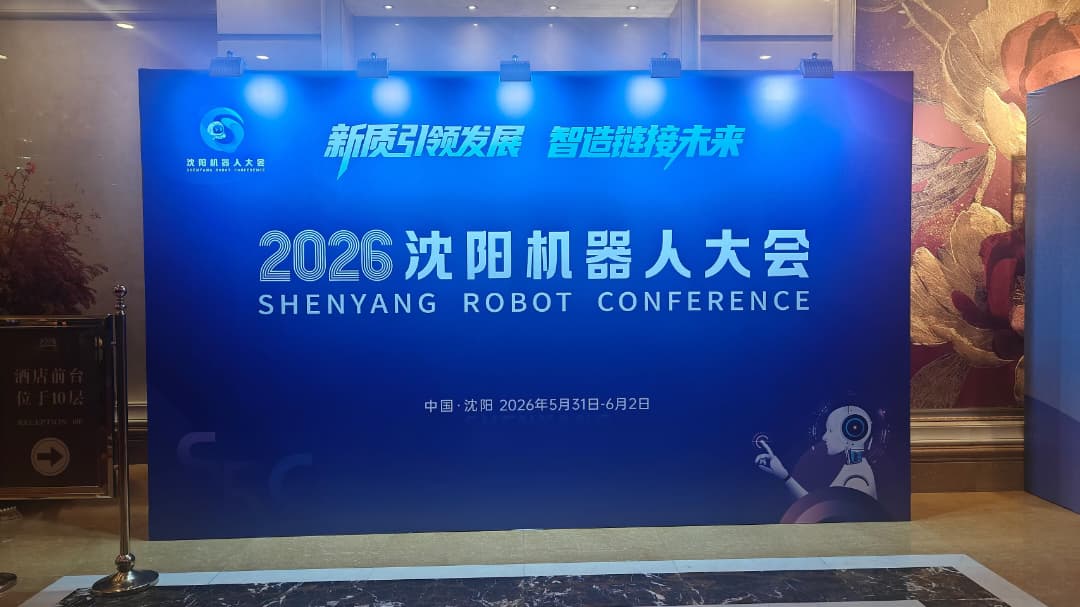

Shenyang has long been recognized as the birthplace and “cradle” of China’s robotics industry. At the recent Shenyang Robotics Conference 2026, hosted by the China Council for the Promotion of International Trade (CCPIT) Shenyang Sub-Council, that legacy was fully on display. The event highlighted not just the region’s historical foundation, but the robust industrial strength and innovative vitality of its national-level robotics and intelligent manufacturing cluster.
Navigating the Frontiers of Robotics
To say that robotics is simply “automation brought to life” barely scratches the surface of the industry’s current trajectory. The conference provided a deeply insightful look into the latest technological breakthroughs shaping the future of the field.
Industry leaders and innovators explored several critical challenges and advancements, including:
Agentic Operating Systems: The emergence of highly autonomous software that allows robots to make dynamic decisions.
Human-Robot Collaboration: Developing frameworks for seamless and safe integration between humans and machines in shared workspaces.
Dynamic Navigation: Equipping robots to understand and move through unpredictable, real-world environments.
Human Dexterity: Tackling the complex engineering required to replicate the fine motor skills of the human hand.
A Shared Legacy in AI
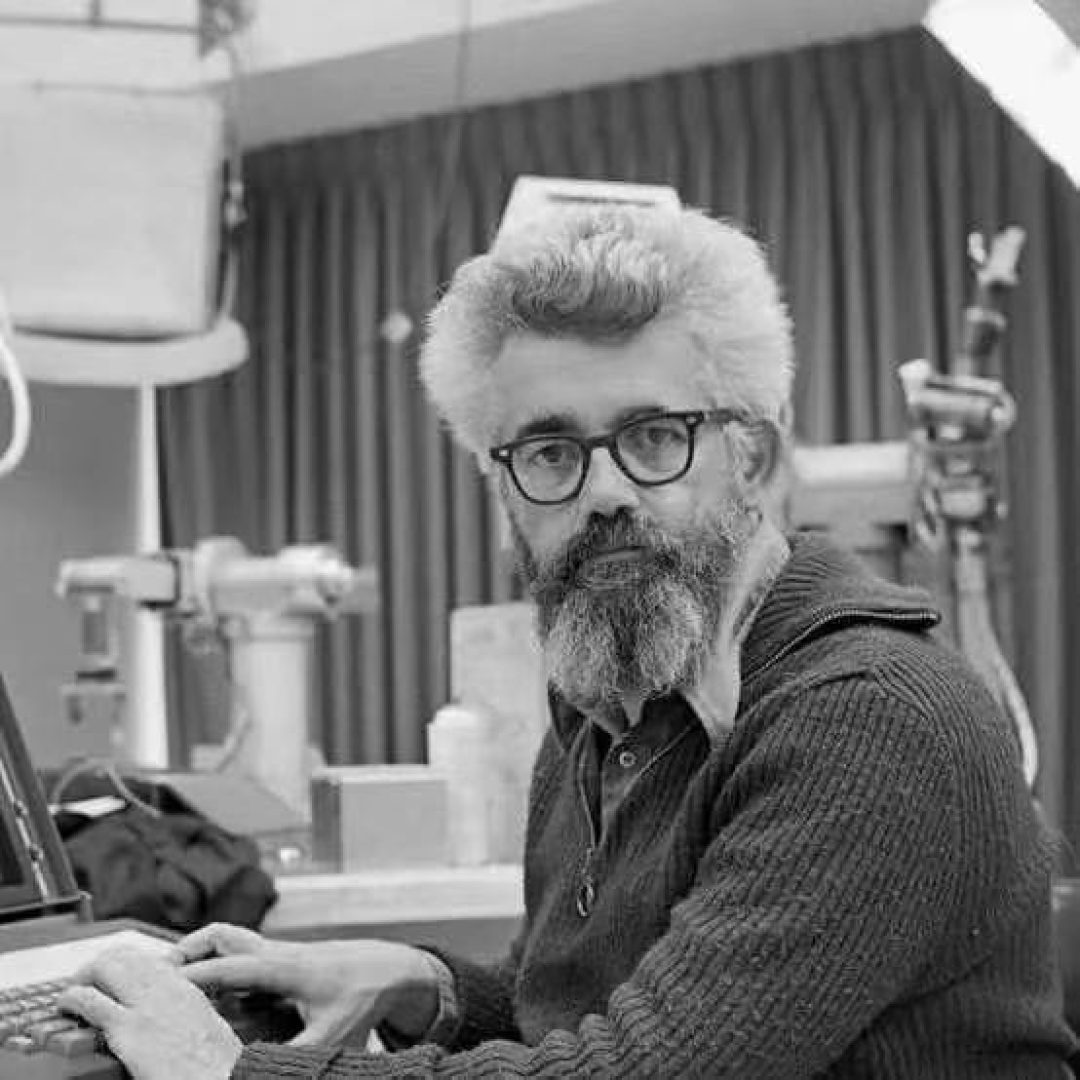
As someone who shares an Irish lineage with John McCarthy—the “Father of AI” who famously coined the term “artificial intelligence”—it is profound to witness the realization of his early concepts. I believe he would be deeply delighted to see how China is elevating AI and robotics to unprecedented levels, transforming theoretical intelligence into tangible, physical applications.
Purpose-Driven Technology for the Future
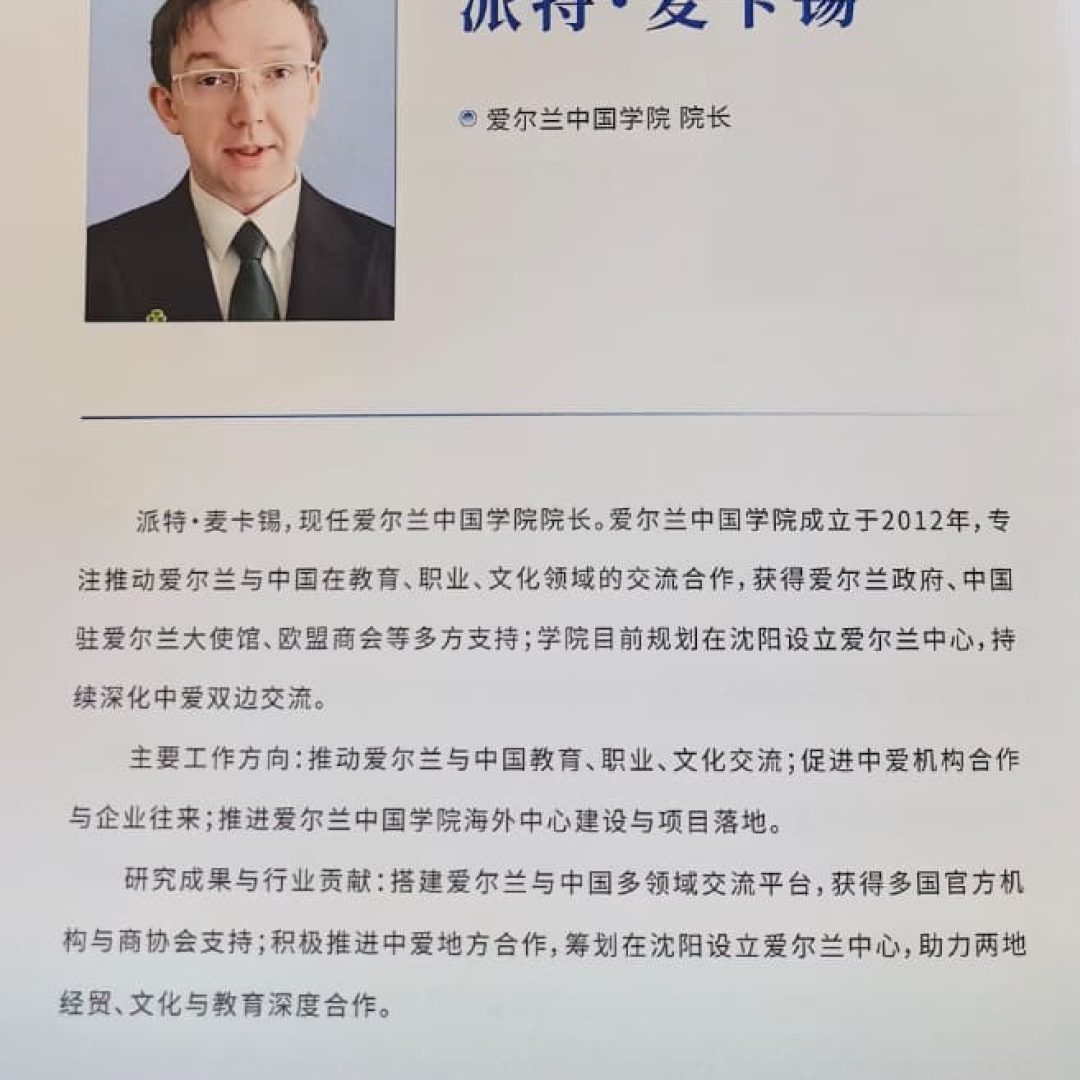
The true measure of these technological leaps lies in their application. Through my role as a Shenyang Investment Ambassador and my work with the Europe Sino Institute, I see firsthand the importance of cross-border cooperation in humanoid robotics and AI.
Our affiliated professors and experts are working toward breakthroughs that extend far beyond factory floors. We are actively exploring how AI, humanoid robotics, and new quality productive forces can be applied to solve real-world challenges across rural China and Europe.
The grand potential of this technology lies in its ability to:
Support high-quality, accessible education.
Empower rural revitalization and modern agriculture.
Drive high-quality development for the communities that need it most.
As we look to the future, I am honored to follow in this spirit of cross-cultural innovation, working collaboratively to ensure that the advancement of AI and robotics serves the ultimate betterment of humanity.