Looking to the Heavens
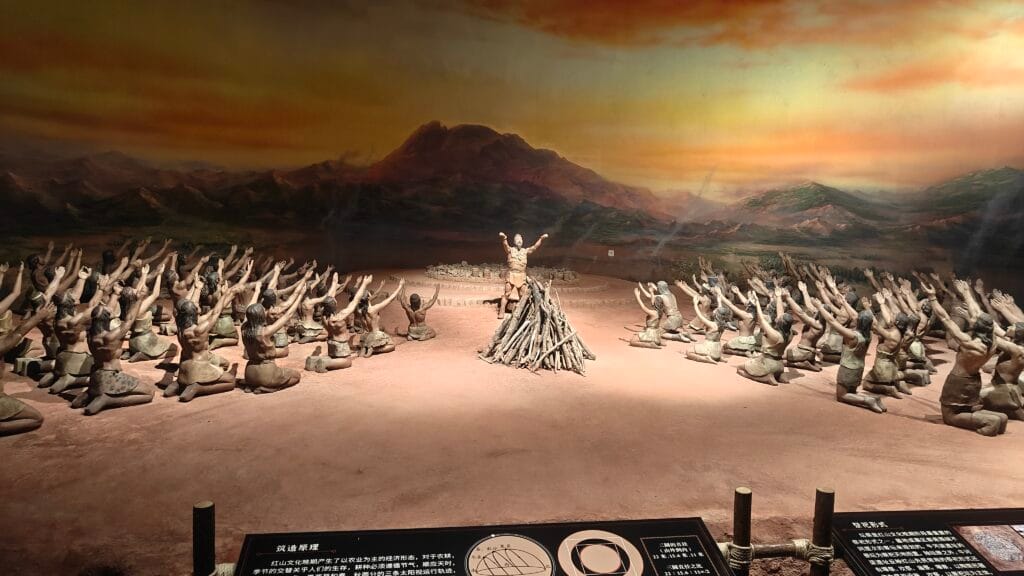
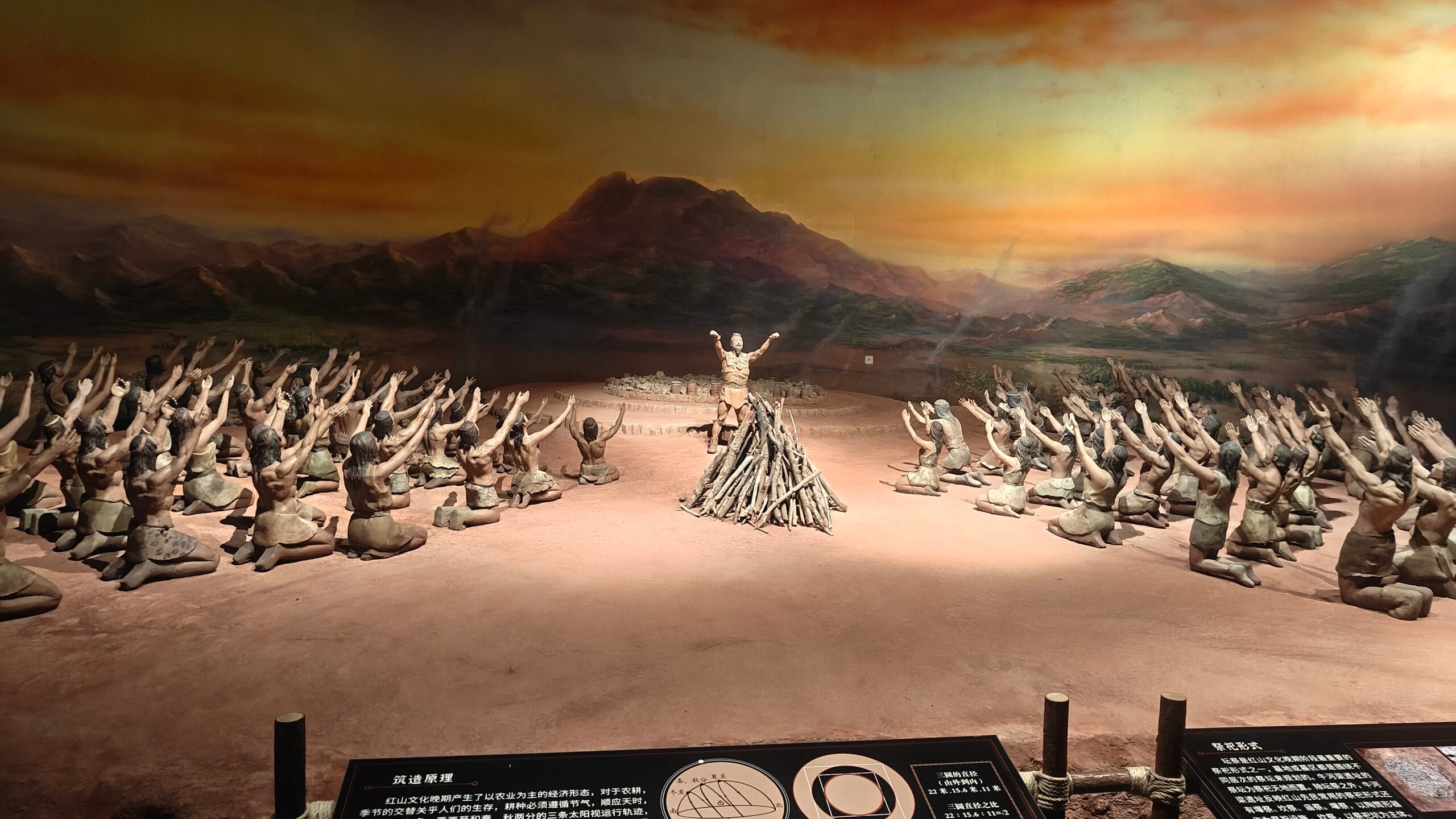
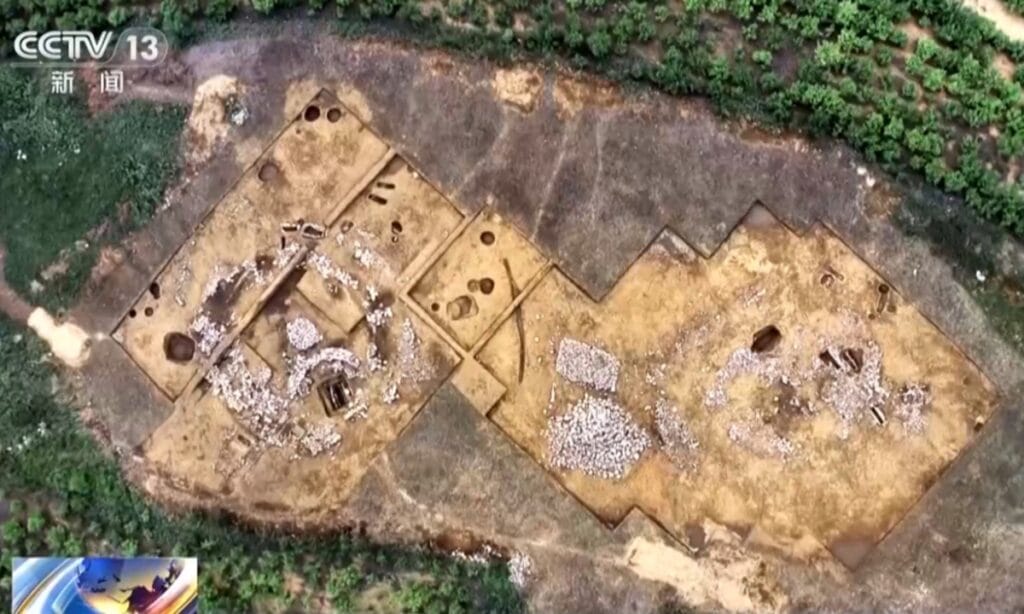
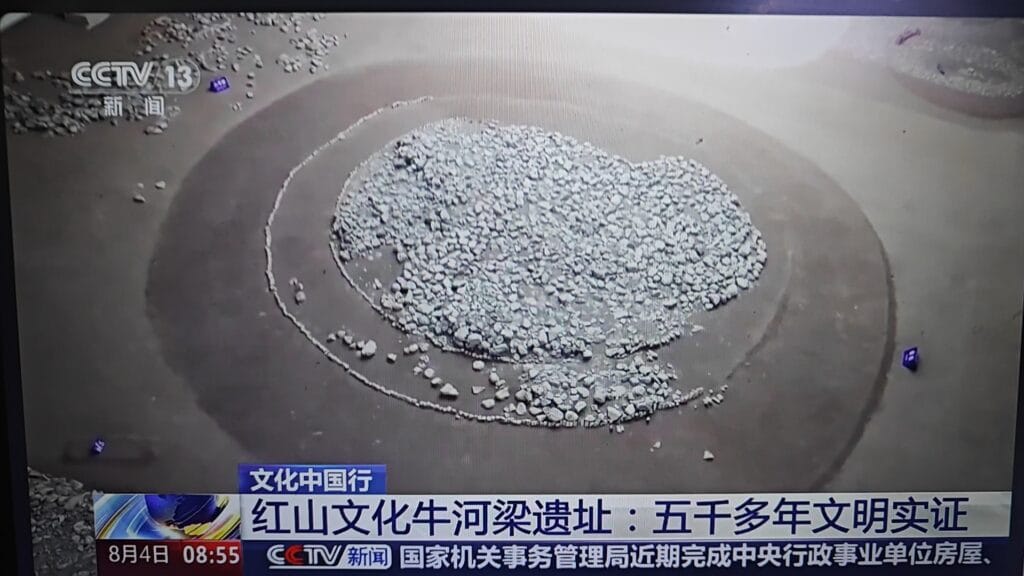
Seven fired-earth pits arranged in a pattern strikingly similar to the Big Dipper have recently been uncovered at Niuheliang in Chaoyang, Liaoning. Elsewhere at the site, three concentric circular platforms excavated previously are now being examined in relation to possible celestial alignments, with researchers suggesting that the three circles may correspond to the winter solstice, the spring and autumn equinoxes, and the summer solstice.
During a recent site visit to Niuheliang, our team of researchers at the Europe Sino Institute was struck by an unexpected comparison. At roughly the same period, thousands of kilometres away in Ireland, people were building Newgrange, a monumental passage tomb deliberately aligned with the winter-solstice sunrise.
Two distinct prehistoric cultures, at opposite ends of Eurasia and with no demonstrated connection between them, were both constructing major ceremonial monuments, honouring their dead and paying remarkably close attention to the heavens.
Niuheliang and the Hongshan World
Niuheliang (牛河梁) is one of the most important archaeological sites associated with the emergence of early Chinese civilisation. Almost six millennia ago, Hongshan society was capable of large-scale ceremonial construction, sophisticated jade craftsmanship, complex burial practices and impressive social organisation.
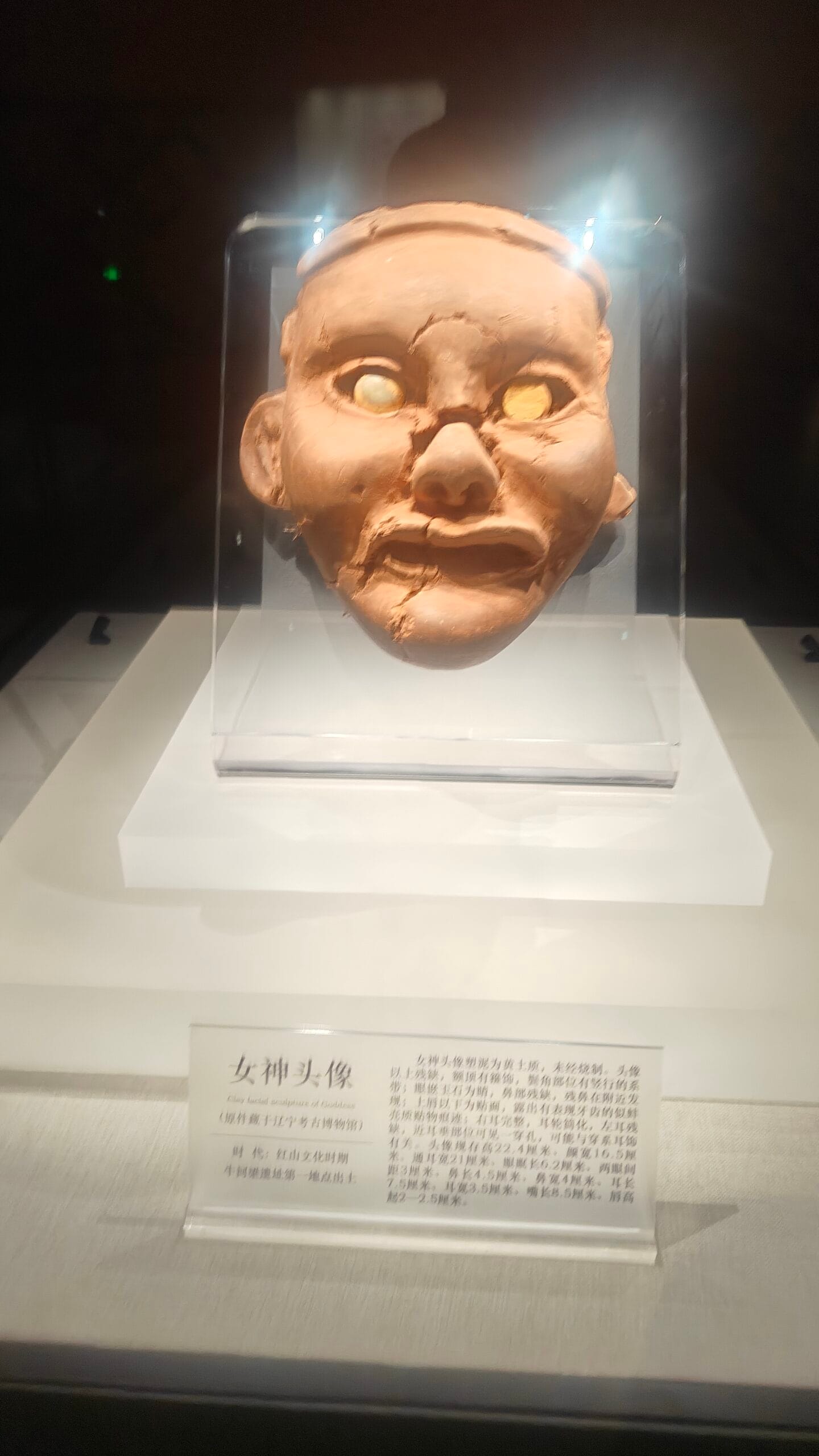
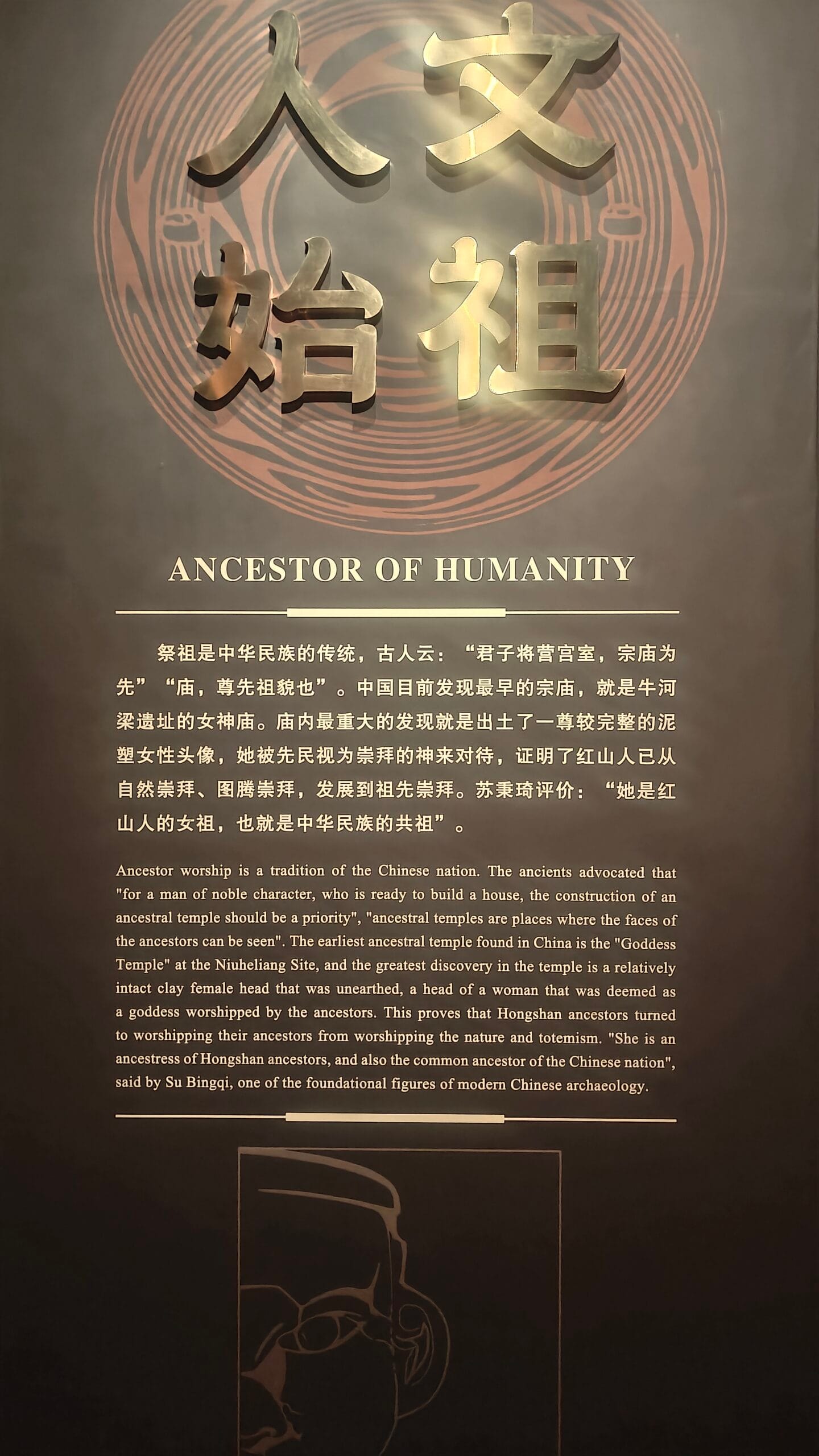
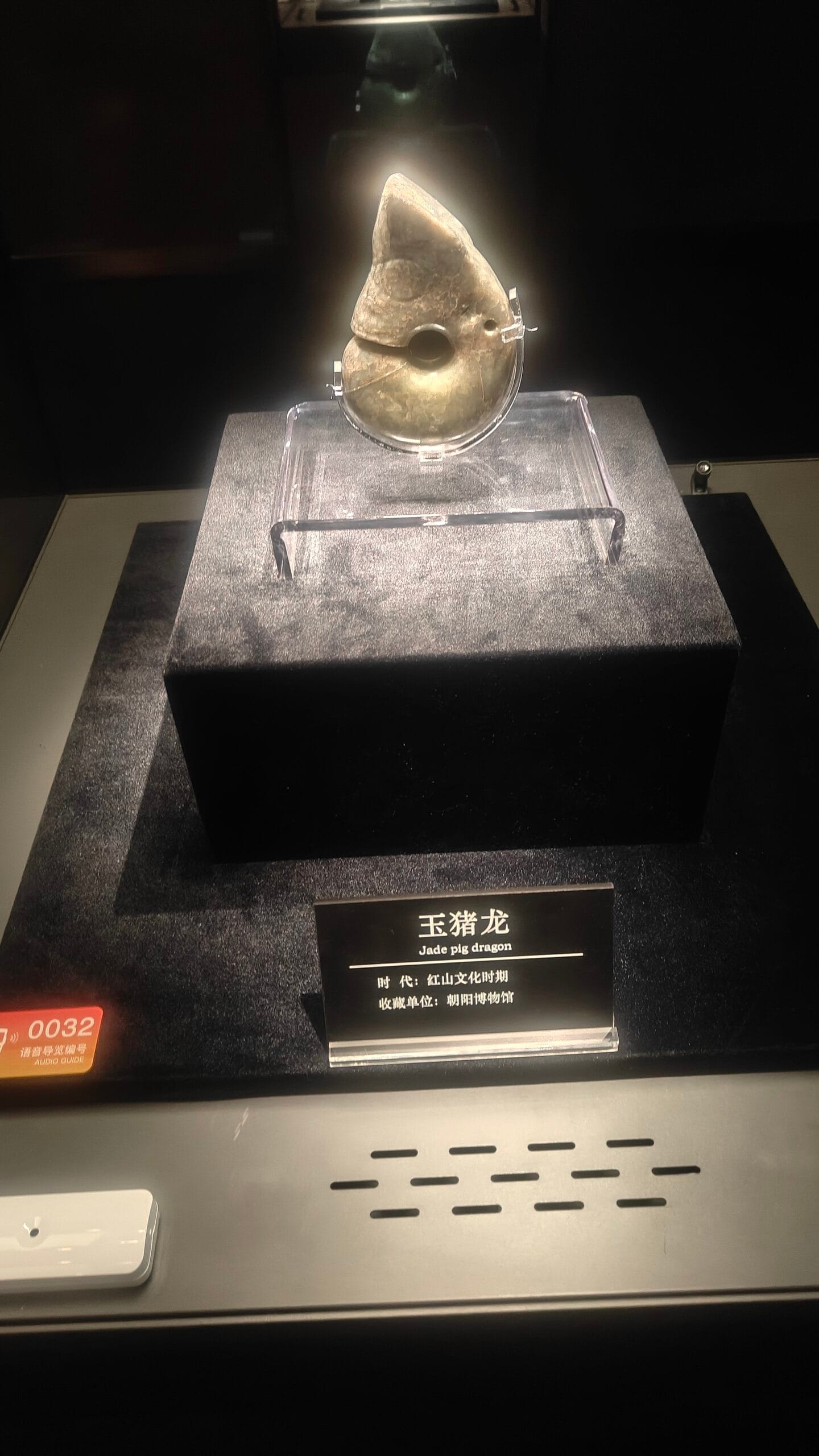
Among its best-known discoveries is the clay female figure known as the Hongshan Goddess, who has been referred to as the “common ancestor of the Chinese nation.” The wider Hongshan cultural region also produced the remarkable Jade Pig Dragon (玉猪龙), one of the earliest and most distinctive dragon-like forms in Chinese archaeology.
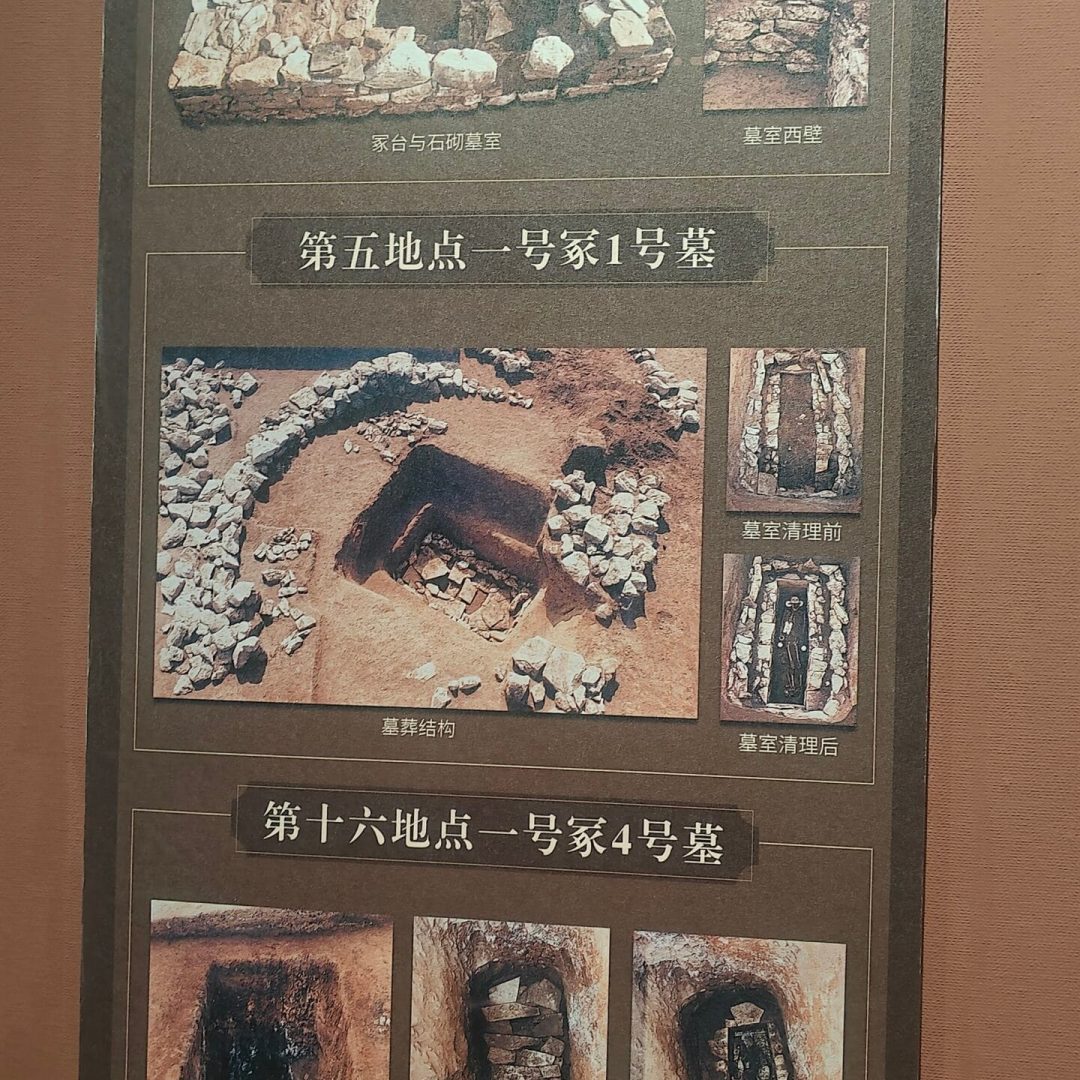
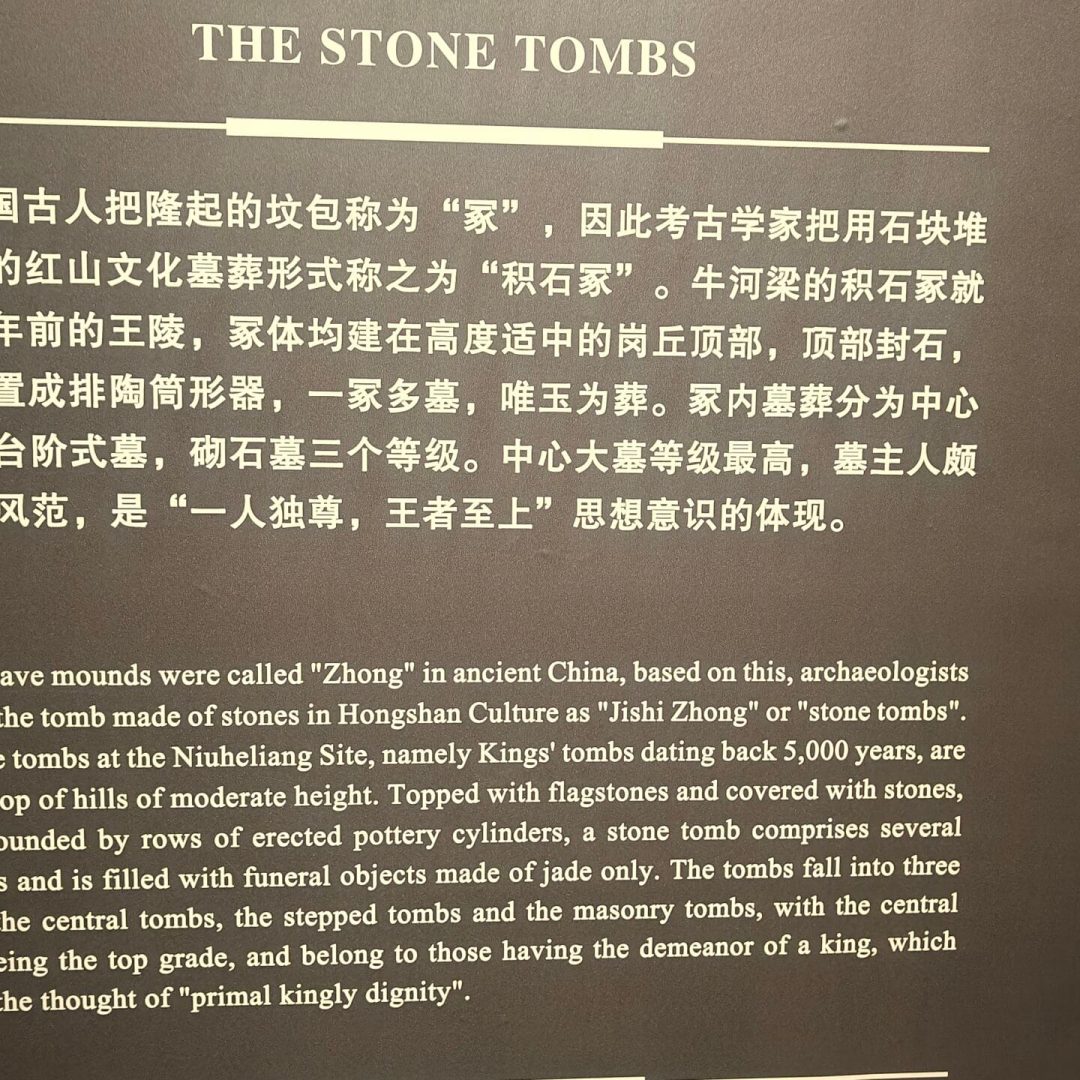
Its burial landscape is equally impressive. Stone burial mounds contained carefully constructed tombs, deep grave pits and stone-built burial spaces, while valuable jade objects accompanied some of the deceased. These were not simply places of burial. They were elaborate expressions of ritual, status, memory and respect for the dead.
Newgrange and the Winter Solstice
Around 3200 BCE, another extraordinary monument was being constructed in Ireland.
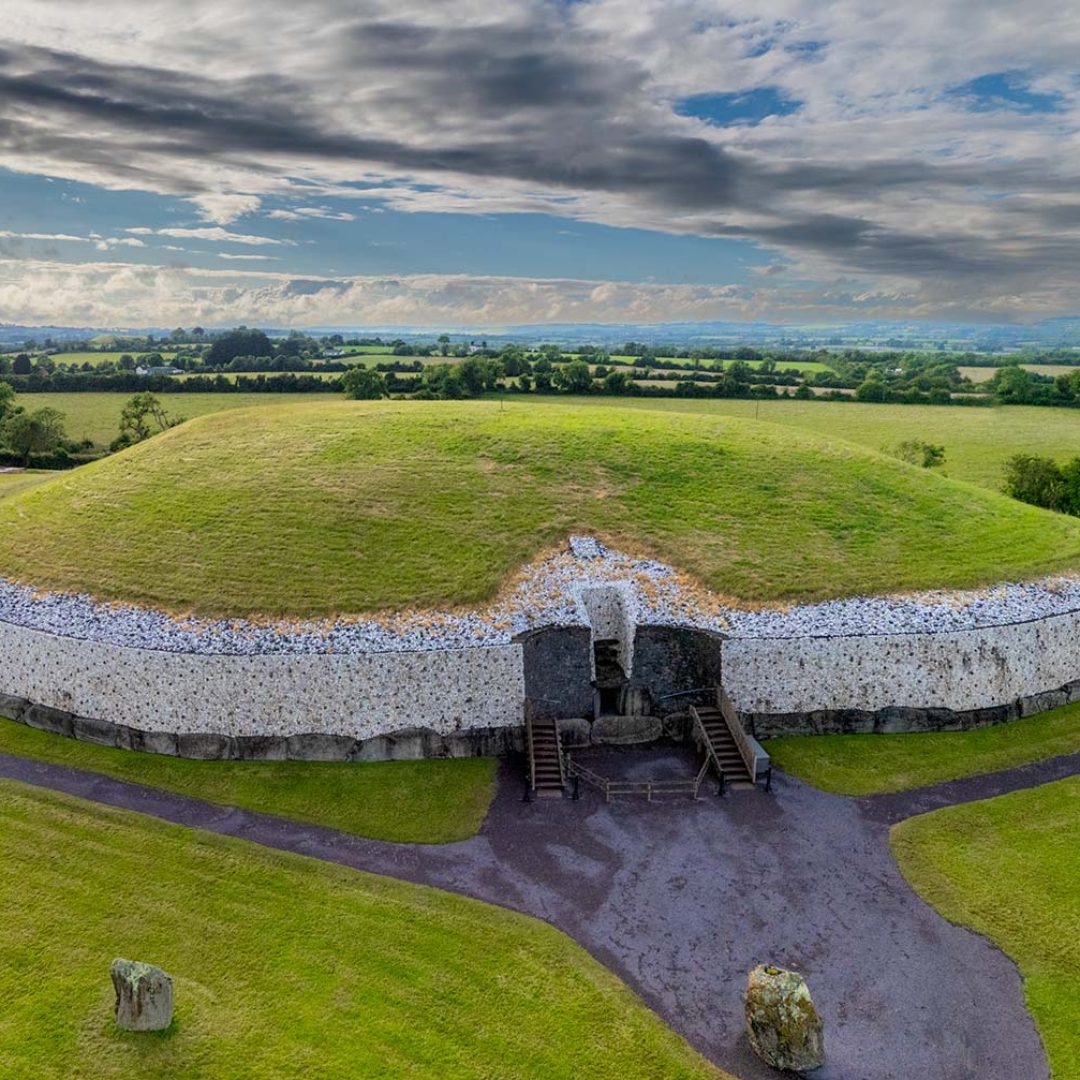
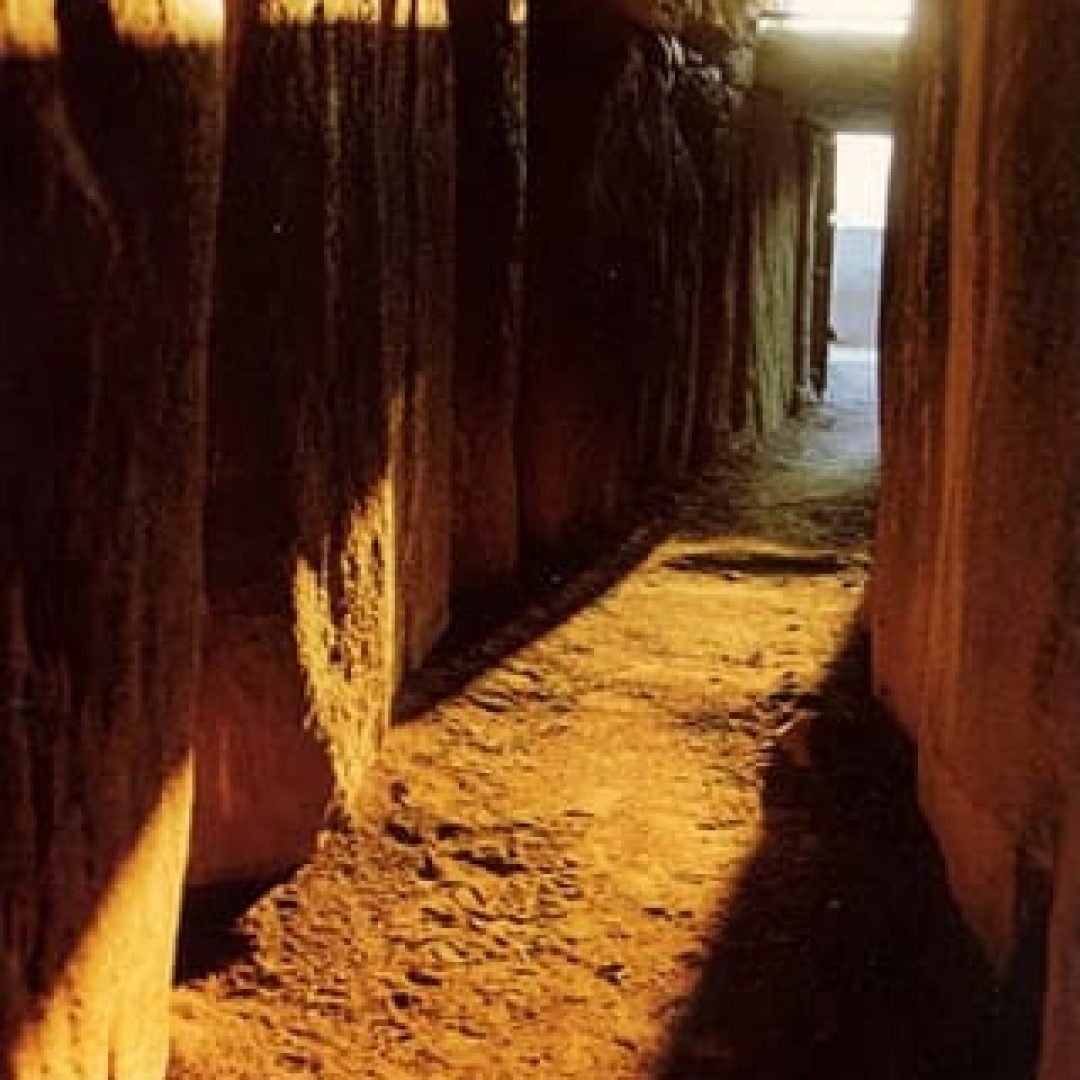
Newgrange is a vast prehistoric passage tomb built from earth and stone. A passage approximately 19 metres long leads into an internal burial chamber. Around the winter solstice, the rising Sun enters through a specially constructed roof-box and travels deep into the monument, illuminating the chamber.
Celestial Knowledge in Stone and Earth
Here, one of the most fascinating comparisons emerges. Both communities appear to have connected important ceremonial spaces with their observations of the heavens.
At Newgrange, knowledge of the Sun’s annual movement was incorporated directly into the architecture. At Niuheliang, the newly discovered seven fired-earth pits may represent the Big Dipper, whose apparent orientation changes with the seasons.
Meanwhile, the previously excavated concentric platforms are being studied for their possible relationship with the solstices, equinoxes and annual movement of the Sun.
The evidence takes different forms, but both places reveal communities capable of carefully observing recurring celestial patterns and incorporating that knowledge into structures of exceptional cultural importance.
Honouring the Dead
Their treatment of the dead provides another striking parallel.
Newgrange placed human remains inside a monumental mound containing an engineered passage and chamber. At Niuheliang, Hongshan people constructed stone burial mounds containing individual tombs and carefully built burial spaces, with prestigious jade objects accompanying some of the deceased.
The architecture was very different, yet both required extraordinary amounts of planning, labour and craftsmanship. In both places, burial became monumental architecture. It became something intended to endure beyond the lifetime of the people who constructed it.
Knowledge, Organisation and Innovation
These monuments also reveal considerable abilities in measurement, proportion, orientation and construction. Their builders could organise large projects, coordinate skilled labour and transform observations of the natural world into physical structures.
The societies of five thousand years ago were not intellectually simple. They possessed sophisticated practical knowledge alongside complex systems of symbolism and ritual.
Monuments of Memory Rather Than Conquest
There is another comparison worth considering. Neither Niuheliang nor Newgrange is principally remembered through monuments glorifying warfare. What dominates these surviving landscapes instead is burial, ceremony, craftsmanship, community, ancestors and the cosmos.
That does not establish that either society was entirely free from conflict. What it does show is where these communities chose to invest extraordinary effort and resources. They created monuments concerned with human memory, the dead and their relationship with the heavens rather than monuments celebrating military conquest.
Similarities Without a Shared Culture
The similarities should not be interpreted as evidence that Hongshan and Neolithic Ireland shared a single culture. Their architecture, material traditions and ritual practices were distinct, and no archaeological evidence currently demonstrates direct contact between them.
That makes the comparison more remarkable.
More than 5,000 years ago, communities in western Liaoning and Ireland’s Boyne Valley independently created monumental landscapes, developed sophisticated burial traditions and sought to understand recurring patterns in the sky.
They did not construct identical monuments or necessarily hold identical beliefs. Yet their surviving structures suggest that they confronted some remarkably similar human questions: How do we understand time? How should we honour the dead? How do we preserve memory? And how do we understand our place beneath the heavens?
From Ancient Worlds to Modern Connections
For our team at the Europe Sino Institute, that is where an archaeological comparison becomes something more.
Five thousand years ago, the people who built Niuheliang and Newgrange lived at opposite ends of Eurasia and may never even have imagined that the other existed. Yet each community looked upward, observed the same celestial world, cared for its dead and created monuments intended to survive for generations.
Today, Ireland and China are no longer beyond one another’s horizon. Their peoples meet through research, education, culture, trade and growing human exchange.
The builders of Niuheliang and Newgrange could never meet. Yet they left behind monuments that allow us to place their worlds side by side five thousand years later.
Shared Values Beneath the Same Sky
Despite their differences, the prehistoric evidence shows that they held much in common, even when isolated and disconnected from one another, with only the heavens uniting them. Their monuments express values that remain recognisable today: respect, dignity, honour, responsibility, harmony and innovation.
These shared qualities do not erase the differences between Ireland and China. Instead, they help us appreciate how distinct cultures can develop their own traditions while responding to common human concerns. Today, those connections can be understood in an even more synergistic way.
Unlike our ancestors, we now have the advantage of connecting ideas, people and opportunities across great distances through the internet, modern transportation and international cooperation. This enables us to create new innovations by bringing together knowledge and perspectives that were once separated by geography and time.
Beneath different landscapes, traditions and forms of expression, we can still recognise a shared humanity. It is a shared humanity that has endured beneath the same sky and continues to connect Ireland and China today.